Natural light modifications how a home feels and works. It hones colors on a kitchen area wall surface, raises a dark corridor, makes areas feel larger, and eases the stress on your tools and your eyes. Yet the quantity and quality of daylight you enjoy is not an accident. It is the product of choices regarding positioning, window size and positioning, glass type, framing, and how well the window installment is carried out. When you plan window substitute with daytime as your compass, you can transform the experience of living in your room, and you can do it without blowing your power spending plan or fighting glare.
This overview distills what works from the field: genuine compromises, bad moves to avoid, and useful moves that constantly supply brighter rooms without compromising comfort.
Begin with the light you already have
Before you pick designs and dimensions, map the light patterns in your house throughout a normal day and via the year. Take notes at breakfast, lunch, late afternoon, and after dinner. Notice which rooms remain gloomy also at noontime and which ones obtain blasted by late mid-day sunlight. If you live at a higher latitude, wintertime sun angles will be low and can get to deep into areas; summertime sun will certainly ride higher and can create rough overhanging glare.
Tall slim windows invite upright bands of light and draw the eye upwards. Broader home windows spread out light extra uniformly but may leave the area's core dim if they sit too reduced. Clerestories can clean wall surfaces with light while preserving personal privacy. A deep overhang can toss a darkness line that makes a big pane really feel less brilliant than its size recommends. By recognizing these patterns you can position glass where it will do the most work.
I when dealt with a 1920s cottage where the living room felt like a cave also at noontime. The issue was not the size of the front home windows. It was the combination of a large patio roofing system, thick hedges, and low header height. The service was a mix: we increased the head elevation by a couple of inches within architectural limitations, changed the hedge mass with lighter plantings, and included a small pair of high home windows on the side wall surface to draw in south light. The regarded illumination increased, and the a/c lots hardly changed.
Orientation is destiny
The sunlight's path need to form your window substitute technique as long as style or budget. North-facing windows supply soft, even light with marginal glow. East-facing home windows greet the day with gentle sunlight, then go quiet. West-facing home windows are notorious. They can turn an area into a sauna in late mid-day. South-facing home windows, in most environments north of the equator, are the workhorses. They provide plentiful light in winter, and with proper shading, manageable direct exposure in summer.
In technique, this indicates you can commonly enlarge or add glass on the north and eastern without major convenience penalties. In the west, control is every little thing. Use high-performance glass and effective shielding. On the south, take into consideration head elevations that allow winter sun to get to farther into the space while a roofing overhang tempers summer angles.
If you are replacing home windows on all elevations, designate a duty to every side of your house. North can be your studio light. East can be for breakfast areas and home offices. South becomes your winter daytime engine. West requires defenses that begin at the glass and continue with exterior shading.
The architectural truth check
Ambition satisfies structure when you try to raise a head elevation or widen an opening. Most of the transformative daylight gains come from increasing glass location or altering its placement on the wall. That often implies a new header or reframing part of the wall surface. A skilled contractor will review tons paths, the location of shear walls, and whether your exterior cladding can tolerate changes without ugly patchwork.
When I review a plan, I try to find the most inexpensive square foot of daytime first. Usually that is increasing height rather than size, due to the fact that going larger often needs bigger headers and has even more exterior house siding repair. A 6 to 10 inch boost in head height on a regular 3 foot broad window can significantly improve light circulation. On older homes with low sills, sometimes lowering the sill to just over code minimum, or adding a high, slim friend home window, pulls sunlight deeper into the space without major framing changes.
If you desire a significant modification, like transforming double-hungs to a floor-to-ceiling photo window, budget for architectural support and a cautious home window installation sequence. The incremental costs pay back in lived quality yet only if the details are performed well, consisting of flashing, waterproofing, and insulation continuity around the brand-new opening.
Glass is not just glass
Choosing glazing is where several daylight upgrades get won or lost. The best glass gives you intense rooms without cooking them in July or whitening your floors.
Visible passage (VT) explains just how much visible light travels through the glass. Standard double-pane low-e systems commonly range from about 0.45 to 0.65 VT, while some high-clarity or laminated alternatives can be greater or reduced depending on coatings. Higher VT suggests more daytime, however the finishings that reduce heat gain can drop VT. The technique is stabilizing VT with solar warm gain coefficient (SHGC) based upon positioning and climate.
In hot environments, you want a reduced SHGC on west and southern, moderate on eastern, and you can manage higher VT on north. In heating-dominated climates, a higher SHGC on south can assist with passive solar gains in wintertime, yet beware. Furnishings fading, glare, and shoulder-season getting too hot can still make you miserable. Most jobs take advantage of tuned glass bundles instead of a one-size-fits-all method. It prevails to define different glass for various elevations when getting new units.
Low-iron glass can be worth the upcharge in spaces where color accuracy matters, such as art studios or kitchen areas with white surfaces that can turn greenish with typical glass. For safety and security and sound control, laminated glass can pull dual obligation. It decreases UV transmission greater than basic solidified glass and adds a refined damping of outside noise. If you live near a busy street, the acoustic advantage is commonly noticeable and helps you open blinds extra often.
Frame materials, sightlines, and the beam you maintain or lose
Light is not only about the glass. Framework and sash accounts consume into the opening. A home window with cumbersome frames may reduce net glass location by numerous inches on each side. When you multiply that throughout a space, you can lose the equivalent of an entire additional window.
Slimline aluminum structures deliver slim sightlines however can be bothersome in cool environments without thermal breaks. Fiberglass frameworks use strength, security, and fairly slim accounts with great thermal efficiency. Well-made timber windows are attractive and thermally pleasant but can have thicker sash and need upkeep. Plastic windows can be affordable and reliable yet often have bulkier structures and differing quality. Request for the daytime opening measurements, not just the unit size. The daylight opening, measured glass edge to glass window replacement in Austin TX edge, is what determines your real light.
I when changed a set of builder-grade plastic sashes with fiberglass systems. On paper, the general home window dimension barely altered. In practice, the daylight opening raised by almost 12 percent because the sash and frame were slimmer. The area quickly felt brighter and the modification expense much less than reframing for a bigger hole.
Style options that shape light and life
Window style affects just how light gets in, just how you ventilate, and exactly how you equip around it. Sashes commonly have slimmer profiles and can open wide to capture breezes. Double-hungs fit standard frontages and can vent at leading and bottom, however railway reduced the view and a little reduce light. Image home windows maximize daytime and view yet call for companion operable units for ventilation. Moving windows supply large openings with fewer relocating parts however occasionally have thicker meeting rails.
Transoms above doors and windows pull light much deeper right into corridors and internal rooms. Clerestory home windows can change a dark wall surface into a light source without giving up personal privacy. Corner windows liquify edges and spread light throughout 2 wall surfaces. A bay or bow projects glass right into the landscape and transforms the angle of light across the day. Each of these moves brings light in a various way.
In portable spaces, consider a tall, narrow casement coupled with a fixed light. In big spaces, a photo home window flanked by casements yields daylight, views, and air flow with balanced lines. In washrooms, frozen or textured glass in a high home window can wash the space in light while staying clear of the demand for blinds. In stairwells, stacked windows can turn a security need right into a daylight shaft that supports the house.
The art and scientific research of placement
The finest window replacement tasks do not merely increase the size of existing openings. They rethink elevation, spacing, and where the eye intends to travel. Raising head elevations spreads light further across a ceiling, which after that bounces it deeper into the space. Keeping at least one window close to an edge helps wash adjacent walls and disrupts shadow accumulation. Mullions and grids can add personality yet should be picked with restriction. In tiny spaces, way too many muntin bars decrease viewed brightness and clutter the view.
Sill height matters more than a lot of realize. Reduced sills provide seated sights and bring light down toward the floor. Higher sills preserve personal privacy and leave wall area for furnishings. If you frequently operate at a workdesk, a window with a sill simply above the work surface area maintains the sight in your sightline without glow directly on the display. In youngster areas, code-minimum egress home windows have specific requirements. You can still pick styles that make best use of light while satisfying safety and security codes. Manufacturers release clear opening sizes, and an excellent installer will inspect those against local rules.
Controlling glow without killing the daylight
Glare originates from contrast, not light alone. You can increase all-natural light substantially if you manage brilliant hotspots and excessively dark bordering surfaces. A number of devices assist without turning to heavy blinds.
First, utilize a matte paint on wall surfaces opposite your biggest home windows. Satin and gloss intensify glare. Second, specify a somewhat greater reflectance on ceilings than on wall surfaces. This transforms the ceiling right into a soft light. Third, select home window coverings that diffuse instead of block. Light-filtering roller shades or mobile shades with a transparent material can tame glow while protecting illumination and personal privacy. Stay clear of hefty dark drapery that swallows light unless you require blackout problems for a media space or bedroom.
Exterior shading is one of the most sophisticated solution for west sunlight. A well-proportioned awning, a trellis with vines, or a deep eave reduces solar load prior to it hits the glass. That indicates cooler rooms and less demand for dark tinting that cuts noticeable light. If you are replacing windows on a west wall, consider investing a lot more in outside shade than in ultra-low VT glass. You will certainly wind up with a brighter, cooler space throughout the shoulder seasons when the sunlight is reduced and even more pleasant.
Energy, convenience, and the myth that daytime means heat
Bright rooms do not have to be hot areas. The previous years of glazing innovation has made it feasible to go after natural light while meeting or going beyond power codes. Composite spacers reduce edge-of-glass conductivity, argon or krypton fills up lower U-factors, and low-e layers can be tuned to block infrared while sending noticeable light.
A common target for well balanced performance in mixed climates is a U-factor around 0.28 to 0.32, VT over 0.50 on the north and eastern, and SHGC around 0.25 to 0.30 on the west and south if you do not have outside shading. If you do have overhangs or awnings, you can be a little bit extra charitable on SHGC, specifically on the south, which gives you winter season illumination and passive gains when you need them most.
Pay attention to condensation resistance, especially for large panes near cooking or bathing areas. Great structures and warm-edge spacers reduce the threat of interior condensation at the sides in cold weather. A completely dry, clear pane is a brighter pane. Water grains and misting develop mini shadows and decrease transparency.
Installation information that protect your investment
Window installment makes or damages performance. It likewise influences for how long your bright brand-new space stays without mold or rot. Changing a home window is not simply placing a brand-new unit right into an opening. It is restoring the water administration and air control layers around that hole.
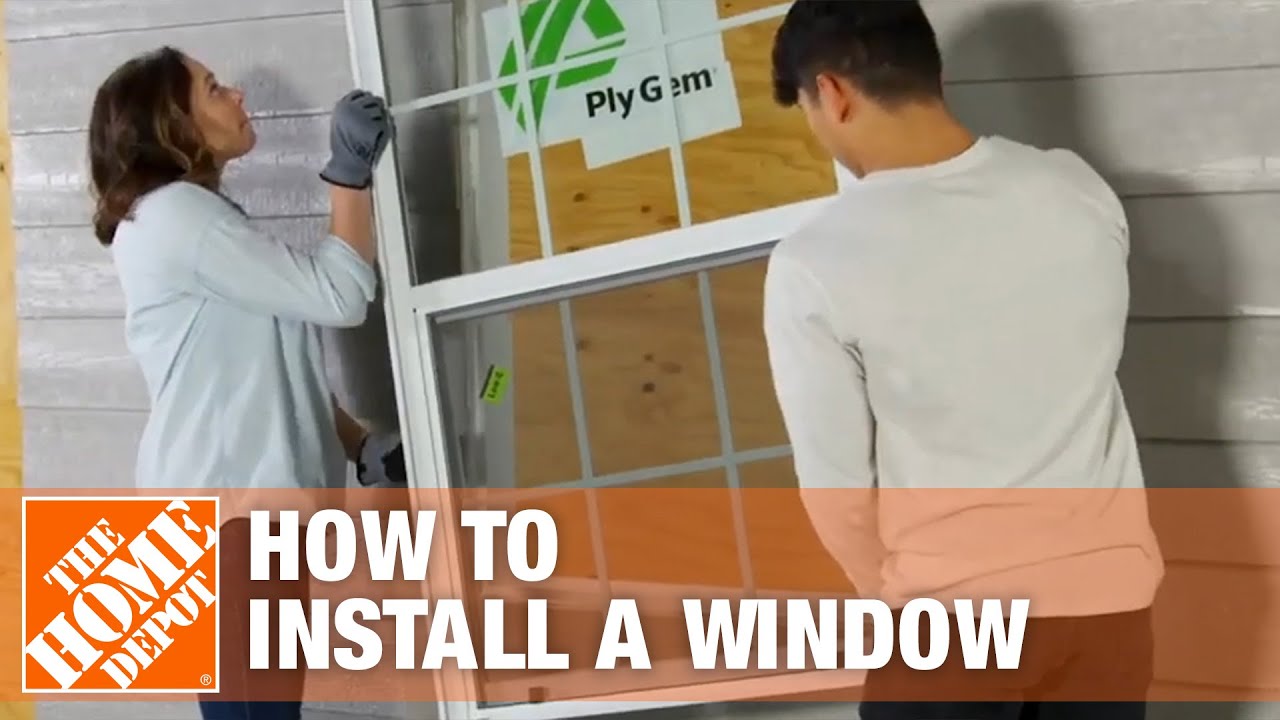
A professional installer will incorporate sill frying pans, flashing tape, and head blinking to ensure that water that supports the cladding drains and away. The sill pan is non-negotiable. Liquid-applied flashing at corners and seams creates a continuous barrier that peels-and-sticks alone often stop working to accomplish. On stucco, the integration with the drainage plane requires extra like stay clear of capturing wetness. On brick, correctly sized weep courses matter.
Air securing around the framework needs to count on low-expansion foam or backer rod with sealer, not packed fiberglass. Fiberglass does not quit air. Air leaks are the enemy of comfort, and drafts around window frames make you close blinds regularly. Much better air sealing ways you can take pleasure in the light without really feeling a winter chill as you sit near the glass.
Interiors that intensify daylight
You can boost daytime without touching the outside by maximizing the light you do get. Light ceilings and upper walls jump light much deeper. A reflective backsplash in a kitchen carries home window light across the space. Positioning a mirror opposite a narrow home window can increase its reach, though avoid directly encountering a west window to prevent glare. Thin-profile home window therapies renewal by andersen near me that install inside the framework maintain the glass edge clear and decrease the aesthetic clutter that makes rooms feel dim.
Flooring matters. Medium-tone timber floorings reflect much more light than extremely dark stains. Rugs with lighter areas brighten the visual plane. If you are changing windows in a dark space, think ahead to surface updates that will certainly optimize the benefit.
When to select a skylight, a solar tube, or a clerestory
Sometimes wall surface glass can not deliver what the strategy needs. Interior spaces, deep-planned homes, and rooms under roofing valleys commonly take advantage of top light. Skylights bring intense light and can open for ventilation. They are powerful but must be mounted with precise blinking and, in sunny environments, with the best glazing and tones to prevent getting too hot or glare.
Tubular daylighting gadgets, often called solar tubes, punch a tiny opening via the roof and supply surprisingly also light through a reflective tube. They master hallways, storage rooms, and interior bathrooms. Clerestory bands function well on single-story enhancements. They supply personal privacy and light, and they decouple daytime from furniture placement.

In a ranch remodelling I dealt with, a little solar tube in a windowless corridor made the main section of your house able to be used without switches for a lot of the day. The owners later on included 2 even more. That cost-effective move decreased their dependence on interior lights greater than changing any solitary home window would have.
Budgeting for brightness
Window substitute jobs differ widely in expense, from a couple of thousand dollars for fundamental inserts to six figures for whole-house reframing and high-end units. If the objective is to optimize natural light without runaway costs, place your steps by daylight effect per dollar.
Raising head elevations within existing stud bays is normally efficient. Changing to slimmer frames generates a small cost costs for a consistent gain. Adding a tactically placed brand-new window on a side wall surface that encounters north or eastern frequently has a high payback in regarded brightness. Specialty glass, like low-iron or tuned layers for each altitude, should be targeted where it helps most. Exterior shielding can be extra cost effective than chasing ultra-low SHGC glass on a wide west exposure.
If you need to phase work, begin with areas where you invest daytime hours. A brilliant kitchen area and home office modification life more than a brilliant visitor area. Order devices with each other to lower per-window expenses, also if you mount in stages.
Common errors that dim results
Several mistakes show up over and over:
- Oversizing west-facing photo home windows without exterior shading, resulting in closed blinds every mid-day and little real gain in usable daylight. Choosing dark-tinted glass throughout the entire residence, which suppresses glare but also flattens light on north and eastern walls where brighter glass would certainly have fit and efficient. Ignoring framework sightlines, leading to a bottom line of glass area despite paying for brand-new windows. Skipping sill frying pans and proper flashing throughout home window installation, causing long-term moisture issues that require blinds near to conceal spots or damage. Forgetting indoor surface areas. Dark paint and hefty materials can negate the benefit of larger windows.
The role of codes, safety, and functional constraints
Egress, solidified glass near floorings and bathtubs, and wind area needs form what you can do. If you lower a sill listed below a certain elevation in a bedroom, you may activate solidified glass needs and require to guarantee the clear opening fulfills egress rules. Near doors and staircases, safety and security glazing guidelines apply. In high-wind regions or near coastal zones, impact-rated home windows may be mandatory. They are much heavier and more pricey however can have superb daytime performance if you pick the appropriate VT and framework width.
If your home is in a historic district, exterior adjustments need to align with guidelines. Many areas permit increases in head elevation or the enhancement of side home windows as long as proportions and muntin patterns match the age. Deal with a regional review board early. I have actually protected authorizations by bringing mockups that show sightlines and darkness patterns at different times of day. Preservationists value daytime too when the information respect the facade.
Putting everything together in a regular home
Imagine a two-story, 1990s home with a west-facing living room, a dim north-facing cooking area, and an office on the eastern. The plan:
Replace the west wall sliders with a pair of taller, narrower French doors flanked by operable sashes. Use reduced SHGC glass and essential outside tones mounted under a small awning. The narrower door leaves create more upright mullion and lower the massive sheet of west glass that triggered glow. The sashes draw in night breezes. Head elevation increases by 6 inches to clean the ceiling.
In the kitchen, add a clerestory band on the north wall surface above the cabinets. Change the sink window with a bigger casement set utilizing high VT glass. The matte backsplash and light-ceiling combination amplify the new daytime. Cupboards remain where they are. The clerestory protects privacy and avoids shedding wall storage.
For the office, switch a tiny double-hung for a large casement with a low sill and clear glass. A light-filtering roller shade manages morning glow. The workdesk rests vertical to the window to stay clear of display reflections. With this setup, synthetic lights remain off until late afternoon most days.
These relocations, combined with cautious window installation information, alter how the house works without severe structural changes.
Working with a professional team
Architects and skilled installers see light in manner ins which prepare drawings can not catch. A good group will certainly model solar paths or at the very least sketch sun angles to educate overhangs and head heights. They will pull performance information for glass packages and recommend orientation-specific choices. They will push back when a design choice hurts daylight, like large interior crown molding that takes head height in the important top couple of inches where light spreads across a ceiling.
On website, the installer's judgment receives the little spaces they decline to leave, the sill pans they insist on, and exactly how they incorporate trim so that the window appears like it was always meant to be there. Ask to see past operate at different times of day when possible. Photos at twelve noon inform you little about glow at 5 o'clock.
What success looks like
The objective is a home where blinds stay open more frequently, rooms really feel tranquil and bright, and power expenses do not spike. You recognize you have it right when guests grab a button at sundown and realize they do not require it yet. Morning light arrive at the kitchen counter you use a lot of. The sofa is no more a hot spot after work. You take a look at the sight rather than your own representation. Plants flourish along a north wall that was as soon as a dead zone.
Window replacement is a financial investment, and daylight is just one of minority returns you experience every hour you go to home. Treat it as a key design standard, not an afterthought.
A structured preparation checklist
- Walk your house at numerous times of day and note where light feels weak, rough, or well balanced. Photograph each area for reference. Decide where you can responsibly add glass based on alignment, privacy, and framework. Prioritize head-height rises and slim frames. Select glazing by elevation. Target higher VT on north and east, tighter SHGC on west and south unless you have external shading. Coordinate shading strategies, both interior and exterior, to regulate glow while maintaining blinds open as much as possible. Demand a disciplined window setup with proper blinking, sill frying pans, and air securing. Verify daylight opening measurements before ordering.
Thoughtful selections in positioning, glass, and implementation create homes that carry the day for you. Done well, tactical window replacement improves not just exactly how your areas look, but exactly how they work, season after season.